
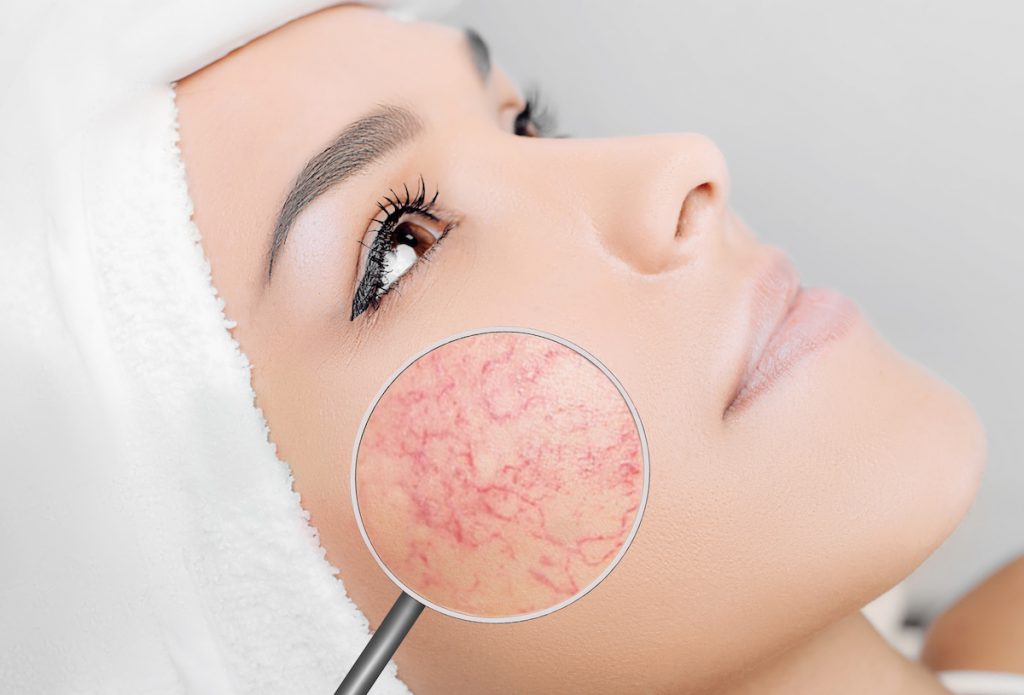
When it comes to treating thread veins (also called spider veins or broken capillaries), both IPL and laser treatments can work well — but the right option depends on your skin tone, vein type, treatment area, and goals.
What’s the Difference?
IPL (Intense Pulsed Light)
IPL uses broad-spectrum light with multiple wavelengths to target blood vessels beneath the skin. It treats a wider surface area and is often used for:
•Mild facial thread veins
•Rosacea and redness
•Sun damage and pigmentation at the same time
Because IPL spreads light over a broader area, it’s generally gentler but less precise than laser. 
Laser Vein Removal
Laser treatments use a single focused wavelength to directly target haemoglobin inside the vein. This precision makes laser more effective for:
•Deeper or more stubborn veins
•Larger facial veins
•Darker skin tones (with the right laser type)
•Faster, more targeted vein collapse
Lasers penetrate deeper and usually deliver stronger results per session. 
Which Treatment Is Better?
IPL May Be Right If:
•You have fair skin
•Your veins are small and superficial
•You also want to treat redness, sun spots, or uneven tone
•You prefer a gentler treatment with minimal downtime
IPL is commonly used for facial redness and mild vascular concerns because it can improve overall skin appearance in one session. 
Laser May Be Better If:
•Your veins are larger, darker, or more visible
•You have olive or deeper skin tones
•You want faster or more dramatic vein reduction
•Previous IPL treatments haven’t worked well
Specialised vascular lasers like Nd:YAG are often preferred for stubborn or deeper facial veins because they target vessels more precisely while reducing damage to surrounding skin. 
What About Results?
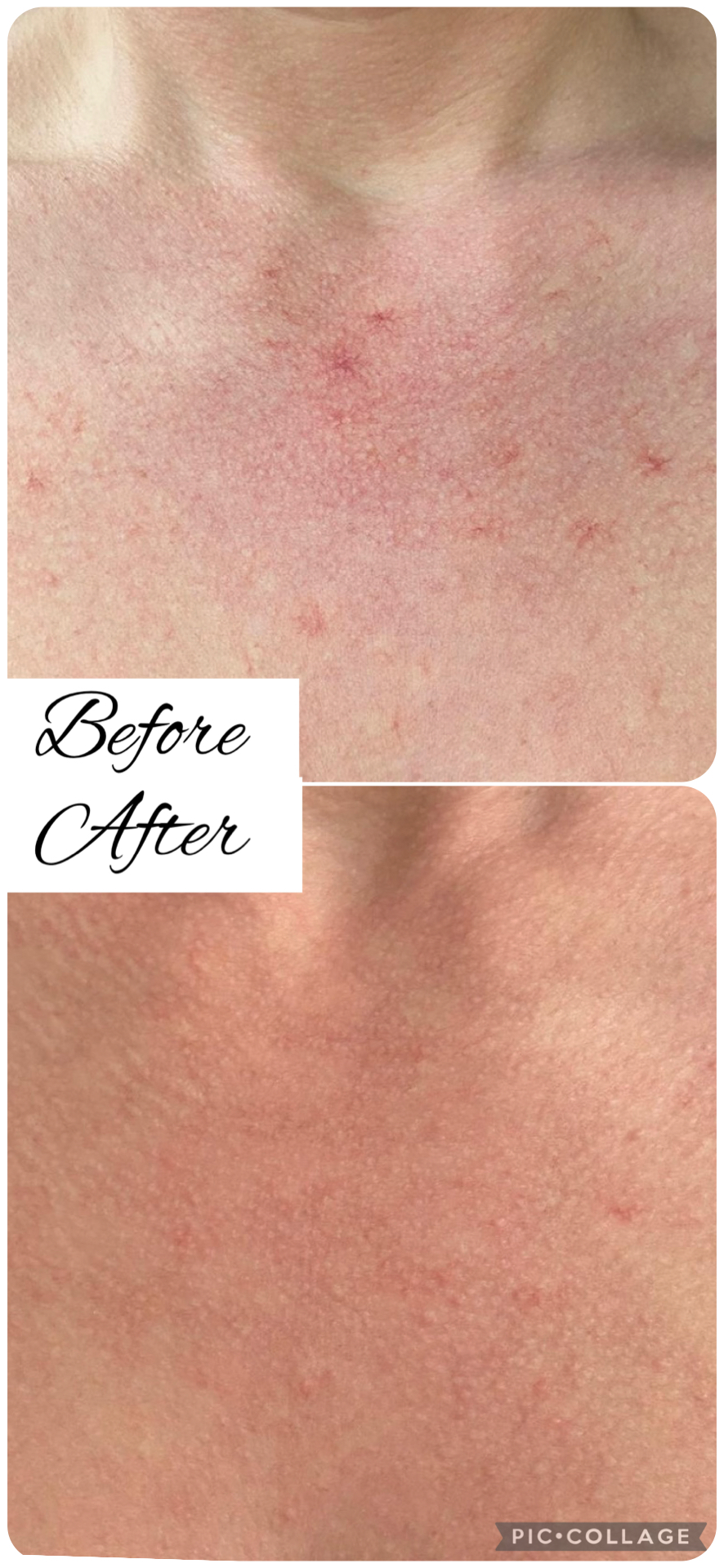
Both treatments work by heating the blood vessel until it collapses and is naturally reabsorbed by the body. Multiple sessions are common:
•IPL: often 3–6 sessions
•Laser: often 1–4 sessions depending on severity
Results are usually gradual over several weeks. Maintenance treatments may be needed because new thread veins can develop over time. 
Risks and Side Effects
IPL
•Temporary redness
•Mild swelling
•Pigment changes in darker skin tones
Laser
•Slight bruising or swelling
•Temporary sensitivity
•Rare blistering if incorrectly performed
Choosing an experienced practitioner matters more than the device alone. Several clinical sources note that operator skill heavily influences outcomes. 
Final Takeaway
•Choose IPL if your thread veins are mild, superficial, and accompanied by redness or pigmentation.
•Choose laser if you want more precise treatment for visible veins, especially on darker skin or for stubborn vessels.
A consultation with our qualified vascular clinic is usually the best way to determine which technology matches your skin type and vein pattern. Book in your free consultation today at Resolve Clinic